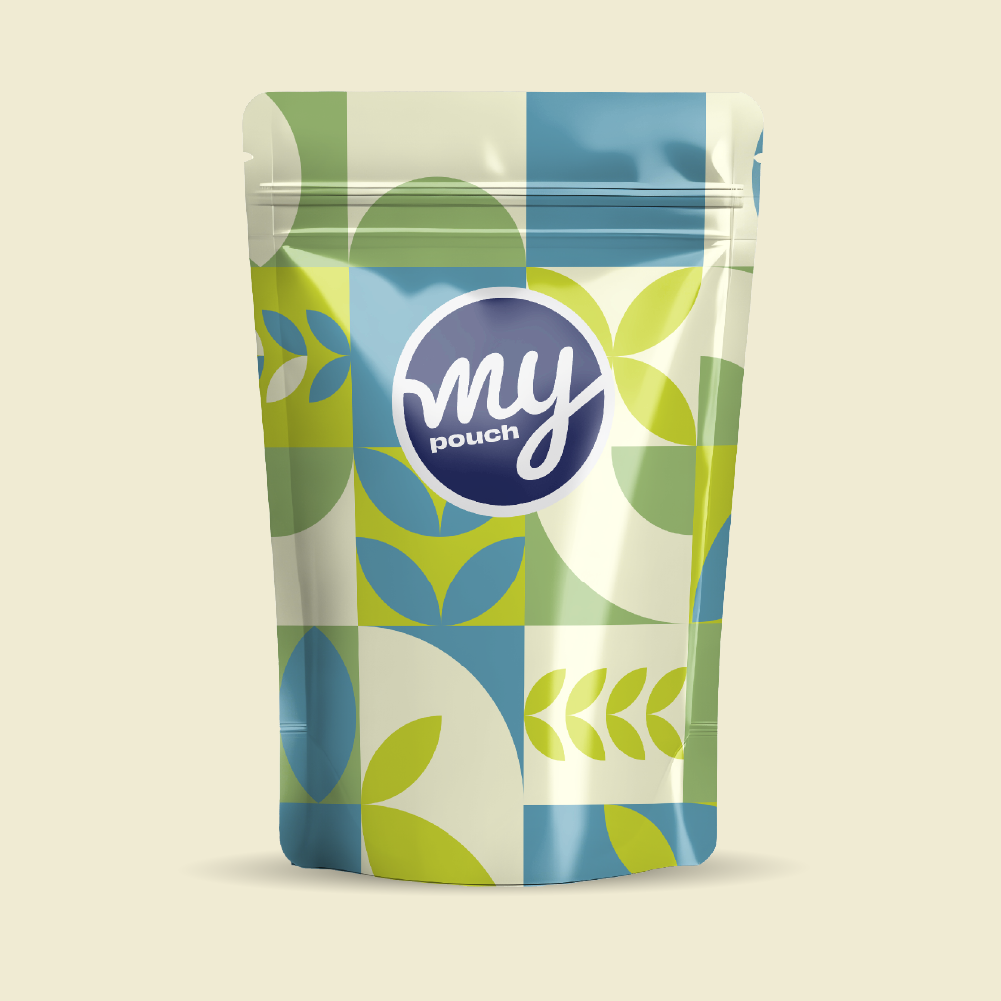
If your product needs to get from A to B in one piece, then packaging is always going to be an essential expense. But that means costs can quickly mount, especially if your products prove popular and order volumes begin increasing.
In this guide, we look at how start-ups and SMEs can reduce their packaging costs, so you can cut down on expenses without cutting corners.
How much does packaging cost for a small business?
There is no definitive answer to this question. The price is driven by a number of different factors, all of which affect the final figure, especially if you plan to use custom printed packaging. We’ve listed the key ones below… H3: Packaging format
The format of your packaging dictates the amount of material needed to produce each unit. A simple flat pouch uses less material than a stand-up pouch, which in turn uses less than a flat-bottom bag with side gussets. Choose the format that suits how your product is displayed and used, rather than defaulting to the most elaborate option. H3: Size
The larger the pouch, the more material it obviously uses. However, cutting down the size by mere millimetres across a large number of units can reduce costs.
Material and barrier
The material structure, and how much barrier protection it offers against moisture, oxygen and light, has a big influence on price. Ideally, you’ll want the right barrier for your product and its shelf life. Over-specifying adds unnecessary cost, while under-specifying risks stale or spoiled stock.
Quantity
When you place an order, you aren’t just paying for the physical packaging itself. With conventional printing, there are setup tasks such as artwork preparation, plate or cylinder making and machine setup to factor in as well, which is why traditional suppliers often set high minimum order quantities. And while larger orders lower the unit cost, you may need to pay for more storage space to accommodate the amount.
Print method
The printing method used to create your packaging’s visuals also affects the price. Conventional methods such as flexographic and rotogravure printing require printing plates or cylinders to be made for every design, which is a significant upfront cost that only makes
sense across long runs. Digital printing doesn’t require any plates or cylinders, so it suits short runs, multiple designs and frequent design changes.
Finishes
Speciality finishes and effects are premium nice-to-haves that can increase your product’s perceived value, but the costs can add up quickly. Think about whether a finish genuinely helps your product stand out on shelf before you add it.
Features and add-ons
Every feature you add to a pouch also adds to the final price. Resealable zips, tear notches, hang holes, clear windows and degassing valves all have a role to play, and some are essential for certain products, such as valves for freshly roasted coffee. But if your product doesn’t need a feature, leaving it off is an easy saving.
How can businesses reduce packaging costs?
Cutting costs doesn’t mean having to skimp on quality. Here, we’ll look at some effective cost-saving ideas for businesses looking to control their expenses while still maintaining a high standard of packaging.
Right-size your packs
Right-sizing your packs starts with measuring your products and their fill volume. If you haven’t done this, then you could be placing them in ill-fitting packaging. A pouch that’s larger than it needs to be increases costs, since you’re paying for material you simply do not need. It can also look under-filled on shelf, and an oversized pack can push up your shipping charges too. Ordering a sample pack before you commit is an easy way to check you’ve got the right size pouch for your product. H3: Many products, one format Measuring your products comes in handy here. Instead of varying your packaging size by product, it may be that you only need one pouch size across a number of different products. With less packaging variation, your operations become far simpler, since you’re not having to manage and reorder a larger number of SKUs. Stock control improves, you’ll reduce storage requirements and your staff make fewer errors with fewer options. With digital printing, a single format doesn’t mean every product has to look the same. Variable data printing lets you print different designs, flavours or variants within the same order, so each product keeps its own identity. H3: Choose digital print for short runs
If you’re ordering hundreds or a few thousand pouches rather than tens of thousands, conventional printing often means paying for plates or cylinders before a single pouch is produced. Digital printing removes those origination costs, so short runs, test batches and seasonal or limited-edition designs become far more affordable. H3: Order what you need, when you need it
Bulk buying can lower the unit cost, but for small businesses it often comes with hidden costs. Large orders tie up cash that could be spent elsewhere in the business, and they take up storage space you may have to pay for. There’s also the risk of obsolete stock. If you change your design, update your recipe or need to amend information on the label, any packaging you’ve already bought in bulk may end up being written off. Ordering smaller quantities more often, from a supplier with low minimum order quantities and fast turnaround, keeps your cash flowing and your packaging up to date.
Go for lightweight options
Lightweight packaging can cut down on postage and carriage expenses, which is especially helpful if you’re sending high volumes of product out. Obviously, you still want to keep contents protected, but even the smallest reduction in weight can save on costs across a large number of shipments. This is where flexible pouches really come into their own. Compared with rigid packaging such as glass jars, tins and plastic tubs, pouches are much lighter to ship. They also arrive flat before filling, so they take up a fraction of the storage space.
Get rid of unnecessary packaging
If you’re using any excess materials or additions in your packaging, can any of it be pared down? It might be the case that you’re putting a bag inside a printed box, or including printed leaflets and filler cards, all of which increase weight and cost. Likewise, if you’re using too many layers of packaging, is it possible to combine these layers into a single, streamlined format, such as one printed pouch that both protects and promotes your product? H3: Get the right protection for your product While this might be a higher cost up front, it more than offsets your expenses if your business is losing stock to damage or a short shelf life. Replacing damaged or spoiled products, handling complaints, lost business and negative reviews all come with their own costs which impact the business. Choosing a pouch with the right barrier properties for your product, whether that’s protection from moisture, oxygen or light, delivers more value in the long run, so it might be
worth taking that initial hit to avoid incurring further problems caused by ineffective packaging. H3: Protect yourself from future packaging taxes and EPR fees Packaging costs aren’t just about what you pay your supplier. Under the UK’s Extended Producer Responsibility (EPR) scheme for packaging, businesses that place packaging on the market pay towards the cost of collecting and recycling it. Those fees are now based on recyclability: packaging rated red under the government’s Recyclability Assessment Methodology (RAM) pays more than the amber base rate, while green-rated packaging pays less. The red surcharge is also set to rise over the next few years, from 1.2 times the amber rate in 2026–27 to twice the amber rate by 2028–29. If you’re a start-up or small business, you may not be paying EPR fees yet, as smaller producers don’t currently pay packaging waste disposal fees. But as your turnover and volumes grow, you could cross the threshold, and retailers and larger customers are increasingly asking about the recyclability of their suppliers’ packaging. Choosing recyclable-ready packaging now means you won’t need to redesign your packs later, and you’ll be better protected from higher fees as your business scales.
How My Pouch can help businesses manage packaging costs
With low MOQs, no origination costs and fast delivery, My Pouch can help small businesses keep their packaging expenses low, get their products to market faster and avoid the risk of excess stock. Variable data printing means you can order multiple designs in one go, and whether you’re launching a new product or expanding your range, ordering is as easy as 1, 2, 3: design your pouch, upload your artwork and we’ll deliver.
Click here for more information: